

Introduction
In the world of construction, woodworking, and DIY projects, few tools are as indispensable as wire nails. Their simplicity belies their importance—they hold structures together, secure materials, and ensure the durability of countless projects. From large-scale construction sites to small home workshops, wire nails have earned their place as one of the most trusted fasteners available. Choosing the right wire nail for a project is crucial, as it impacts both the strength and longevity of the work.
Whether you are a professional builder, a carpenter, or a passionate DIY enthusiast, understanding the types, uses, and advantages of wire nails can make a significant difference in the outcome of your projects. Their design, material quality, and dimensions all contribute to performance, making them a versatile solution for a wide variety of applications.
The Importance of Wire Nails in Construction
Wire nails really do the grunt work in construction. They hold everything together—walls, floors, you name it. If you’re building a deck, putting up a wall, or just patching up some woodwork, chances are you’ll grab wire nails first. They’re tough, cheap, and dead simple to use. Hard to argue with that.
Sure, screws and bolts have their uses, but when you need speed, nails are king. You can hammer them in fast, especially when you’re repeating the same motion over and over. That’s why job sites are full of them. Framing, scaffolding, temporary supports—if it needs to be sturdy and go up quickly, you’ll see nails. And if you’ve got a nail gun? You’ll fly through the work without losing precision. But not all wire nails are the same. They come in a bunch of types, each made for a specific job:
- Common wire nails: Thick and strong—your go-to for framing and heavy work.
- Finishing wire nails: Thinner, smaller heads—perfect for trim or when you want a neat finish.
- Brads and panel pins: Short and slim—good for delicate stuff like cabinets or fine trim.
- Galvanised wire nails: Coated to fight rust, so they’re perfect outdoors or anywhere damp.
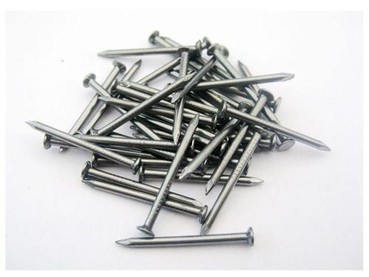 Pick the right nail, and your work ends up rock solid and looking sharp.
Now, the material matters too. Most wire nails are made from high-carbon steel or stainless steel, so they keep their strength without snapping. Sometimes they get a zinc or galvanised coating to stop rust from creeping in. Making a nail isn’t just about slicing up wire—manufacturers pull the wire to the right thickness, cut it, shape the head and tip, and that’s what gives you nails that don’t bend too easily or split your wood.
So why do both pros and weekend warriors love wire nails? Simple:
- They’re easy—hammer or nail gun, your call.
- They’re cheap and always in stock.
- They work with just about anything—wood, plywood, MDF, whatever.
- They grip tight and hold things together for years.
- There’s always a size or finish that fits your project.
That’s why you’ll find them in every toolbox, whether you’re a contractor or just tinkering at home.
In woodworking and carpentry, wire nails are everywhere—furniture, cabinets, framing, you name it. The nail you choose actually shapes how your project looks and holds up. Finishing nails are great when you want a clean look; you can sink them below the surface, patch the hole, and they disappear. For anything structural, common wire nails bring the strength. Picking the right one saves you time and gives better results. One thing—don’t forget safety. Even basic nails can bite back if you’re sloppy—think pinched fingers, flying metal, or split boards. So, wear gloves and goggles, match the nail size to the job, keep your nails organised (because nobody likes stepping on one), and follow the directions if you’re using a nail gun.
Wire nails aren’t just for houses, either. Factories use them for furniture, pallets, crates—even some packaging. Sometimes they need special coatings or designs to deal with tougher jobs, but that’s why they show up everywhere, from tiny workshops to massive factories. And when it comes to the environment, well, that’s a whole different story.
Conclusion
In summary, wire nails remain one of the most essential and versatile tools in construction, woodworking, and everyday projects. Their simplicity, durability, and adaptability make them a trusted solution for professionals and hobbyists alike. From industrial applications to home DIY projects, wire nails offer strength, reliability, and convenience that is hard to match. By choosing the right wire nail for your needs, you ensure that every project is secure, aesthetically pleasing, and long-lasting. Whether building, crafting, or repairing, investing in high-quality wire nails guarantees successful results and peace of mind for every endeavour.

Add Comment