Wire Nails: How to Select the Perfect Nail for Your Project
Introduction: Why the Right Nail Makes All the Difference
It’s easy to overlook something as small as a nail—until it fails. Whether you’re building furniture, framing a house, or tackling a weekend DIY project, the type of wire nail you choose can make or break your results. The wrong size or material can lead to weak joints, visible damage, or even structural issues over time.
Wire nails are among the most commonly used fasteners in construction and carpentry, but not all are created equal. From length and thickness to coatings and head types, each detail matters. In this guide, you’ll learn how to confidently select the perfect wire nail for your project—saving time, effort, and costly mistakes.
What Are Wire Nails?
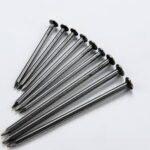
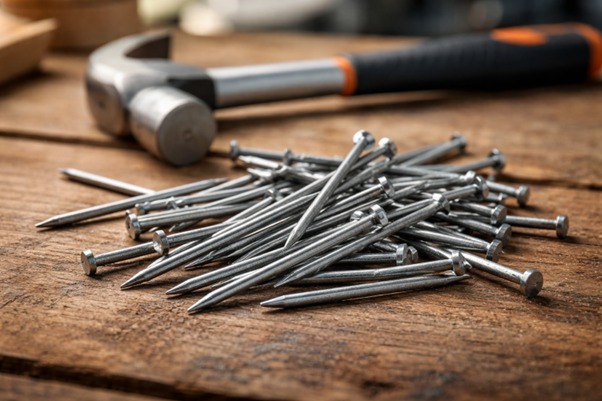
Wire nails are manufactured from steel wire and are widely used due to their strength, affordability, and versatility. They are suitable for a range of applications—from heavy-duty construction to light woodworking tasks.
Unlike traditional cut nails, nails are smooth, uniform, and available in a wide variety of sizes and finishes. This makes them a go-to choice for both professionals and DIY enthusiasts.
Why Choosing the Right Nail Matters
Selecting the correct nail isn’t just about holding materials together—it directly impacts durability, safety, and appearance.
- Structural integrity: Using the wrong nail can weaken joints.
- Material protection: Incorrect thickness may split wood.
- Longevity: Poor-quality or uncoated nails may rust over time.
- Aesthetic finish: The nail head and placement affect the final look.
Choosing wisely ensures your project stands the test of time.
Key Factors to Consider When Selecting Nails
- Nail Length: Get the Right Grip
One of the most important aspects is nail length. A general rule is that the nail should be 2.5 to 3 times the thickness of the material being fastened.
- Short nails may not hold securely.
- Excessively long nails can protrude or damage surfaces.
For example, when joining two wooden boards, ensure the nail penetrates deeply enough into the base material for a firm hold.
- Nail Thickness (Gauge): Avoid Splitting
The thickness of a nail—often referred to as its gauge—affects both strength and the risk of splitting the material.
- Thicker nails: Provide a stronger hold but may split soft wood.
- Thinner nails: Better for delicate materials but offer less holding power.
For hardwood, pre-drilling may be necessary if using thicker nails.
- Nail Material and Coating: Protect Against Rust
The nails are typically made from steel, but their coating determines how well they resist corrosion.
- Bright (uncoated) nails: Ideal for indoor use where moisture isn’t a concern.
- Galvanised nails: Coated with zinc, perfect for outdoor or humid environments.
- Stainless steel nails: Best for high-moisture areas or coastal regions.
Choosing the right finish ensures durability and prevents unsightly rust stains.
- Nail Head Type: Function Meets Finish
Different nail head designs serve different purposes:
- Flat head: Provides strong holding power; common in construction.
- Round head: Offers a neat finish and is slightly less visible.
- Countersunk head: Sits flush or below the surface—ideal for finishing work.
For visible surfaces, choosing the right head type enhances the overall appearance.
- Nail Shank Type: Grip Strength Matters
The shank (body of the nail) determines how well it holds in place.
- Smooth shank: Easy to drive, suitable for general use.
- Ring shank: Provides superior grip; ideal for flooring and decking.
- Screw shank: Offers excellent holding power for heavy-duty applications.
If your project requires extra durability, opt for nails with enhanced grip.
Matching Wire Nails to Your Project Type
Framing and Structural Work
For heavy-duty construction, strength is the priority. Use longer, thicker nails with strong holding capacity—typically common nails with flat heads.
Woodworking and Furniture
Precision matters here. Choose thinner nails to avoid splitting and opt for finishes that blend with the material.
Outdoor Projects
Weather resistance is key. Always use galvanised or stainless steel nails to prevent corrosion.
DIY and Light Repairs
For simple tasks, standard nails with moderate length and thickness usually suffice.
Common Mistakes to Avoid
Even experienced builders can make errors when selecting nails. Here are a few to watch out for:
- Using indoor nails outdoors: Leads to rust and failure.
- Choosing the wrong length: Results in weak joints or surface damage.
- Ignoring material compatibility: Can cause splitting or poor hold.
- Overdriving nails: Weakens the connection and damages the surface.
Avoiding these pitfalls ensures better results and longer-lasting projects.
Pro Tips for Better Results
- Always match the nail type to the material and environment.
- Test on a scrap piece before starting your main project.
- Use the right tools (hammer or nail gun) for efficiency and precision.
- Store nails in a dry place to prevent corrosion before use.
These small practices can significantly improve your overall workmanship.
Conclusion: Build Stronger, Smarter, and More Efficiently
Choosing the perfect wire nails isn’t complicated—but it does require attention to detail. By understanding factors like length, thickness, coating, and application, you can ensure your project is both durable and visually appealing.
The next time you pick up a hammer, remember: the smallest components often have the biggest impact.
Latest Blogs