Wire Nails: Types, Uses, Benefits & How to Choose the Right Fastener
Tips for Better Nail Installation
Using the correct installation technique can improve the quality and durability of a finished project.
- Select the correct nail length and diameter for the material.
- Avoid placing nails too close to the edge of wooden components.
- Consider pre-drilling when working with hard or delicate timber.
- Use a suitable hammer or compatible nail gun.
- Store nails in a dry environment before use.
- Select corrosion-resistant nails for moisture-prone applications.
- Avoid bending or damaging the nail during installation.
- Make sure the nail head is properly seated after installation.
- Follow project specifications when working on professional construction projects.
- Material quality
- Nail dimensions
- Surface finish
- Corrosion resistance
- Product consistency
- Available sizes
- Packaging requirements
- Supplier reliability
- Intended application
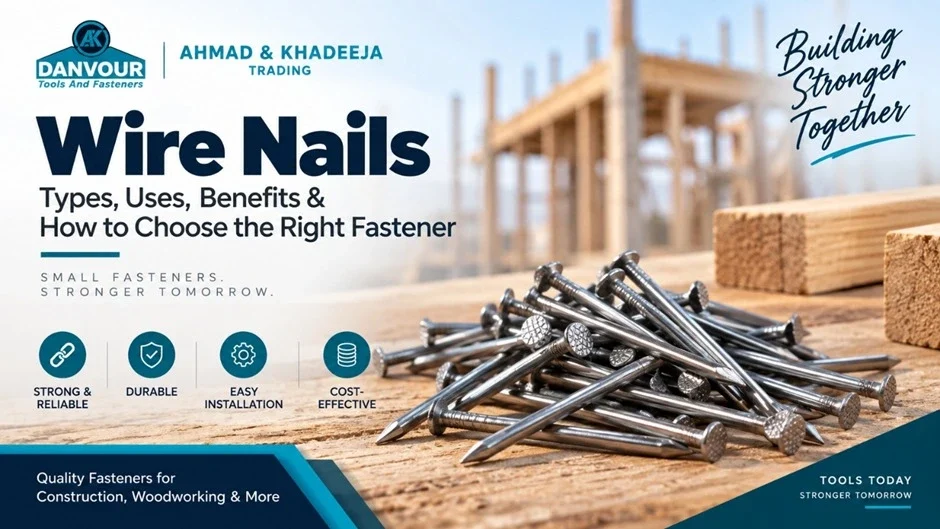
Reliable fastening is an essential part of construction, carpentry, woodworking, furniture assembly, repairs, and DIY projects. Among the many fastening solutions available, wire nails remain a practical and widely used option because of their strength, affordability, simple design, and ease of installation. Manufactured primarily from steel wire, these fasteners are available in different lengths, diameters, head designs, and finishes to suit different project requirements.
For contractors, builders, carpenters, and DIY enthusiasts, choosing the right nail can affect the strength, stability, and durability of a finished project. Factors such as material thickness, nail length, diameter, corrosion resistance, and application should be considered before selecting a fastener. Understanding the different types and uses of wire nails makes it easier to choose the right option for professional and everyday projects.
What Are Wire Nails?
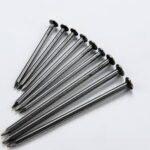
Wire nails are mechanical fasteners manufactured by cutting and forming steel wire into a specific shape. A standard nail generally consists of a pointed tip, cylindrical shank, and head. The pointed end allows the nail to penetrate the material, while the shank provides holding strength. The head helps keep the fastener securely in position.
Because they can be manufactured in different dimensions and finishes, wire nails can be used for a wide range of construction and woodworking applications. The right specification depends on the material being joined and the conditions in which the finished project will be used.
For general fastening requirements, you can explore AKTC's Wire Nails product range.
Common Types of Wire Nails
Different projects require different nail designs. Selecting the appropriate type can improve fastening performance and reduce the risk of damage to the material.
- Common Wire Nails
- Finishing Nails
- Galvanized Wire Nails
- Hardened Nails
- Wooden framing and timber construction
- Carpentry and woodworking
- Furniture assembly and repair
- Wooden crates and packaging
- Flooring and timber applications
- General maintenance and repair work
- DIY woodworking projects
- Certain outdoor construction applications
Latest Blogs