Glue That Works: Understanding Contact Adhesive for Lasting Results
Creating a secure and long-lasting bond between materials can be challenging, especially when strength and durability are required. Contact adhesive glue has become a trusted solution for both professionals and DIY enthusiasts because of its immediate adhesion, flexibility, and reliability. From furniture repairs to craft projects, understanding how this adhesive works and applying it correctly ensures precise, lasting results every time.
Why This Type of Adhesive Performs Exceptionally
Also known as contact cement, this type of adhesive works by forming a strong bond the moment two coated surfaces come together. Unlike conventional glues that need time to cure, adhesive glue develops a secure hold almost instantly. The application process involves coating each surface, letting it dry until tacky, and then pressing the materials together. The bond formed is durable, flexible, and resistant to heat, moisture, and everyday wear, making it suitable for a variety of materials. Another factor that contributes to its effectiveness is the ease of precise application. Because both surfaces are coated separately and allowed to become tacky before joining, there is no rush to position them perfectly immediately. This gives users time to align edges accurately, preventing messy results or weak points. Once pressed together, the bond is permanent and highly reliable, making it ideal for tasks where precision and strength are critical.Benefits of Contact Adhesive Glue
The benefits of using this adhesive make it ideal for a wide range of projects. Its key advantages include:- Fast bonding that reduces project time
- Works on multiple surfaces such as wood, plastics, leather, and rubber
- Long-lasting adhesion that withstands heat, moisture, and movement
- Smooth application for precise alignment
- Cost-effective usage, covering large areas with minimal glue
Types of Contact Adhesive Glue
Different formulations of this glue are designed to meet specific requirements: Contact adhesives can be categorised based on their base and usage: solvent-based adhesives are ideal for heavy-duty surfaces like laminates, rubber, and wood; water-based adhesives are low-odour, eco-friendly, and perfect for indoor or lightweight projects; speciality adhesives are designed for industrial purposes, offering high resistance to heat and chemicals. Selecting the right type ensures optimal performance and prevents weak bonds or damage to materials.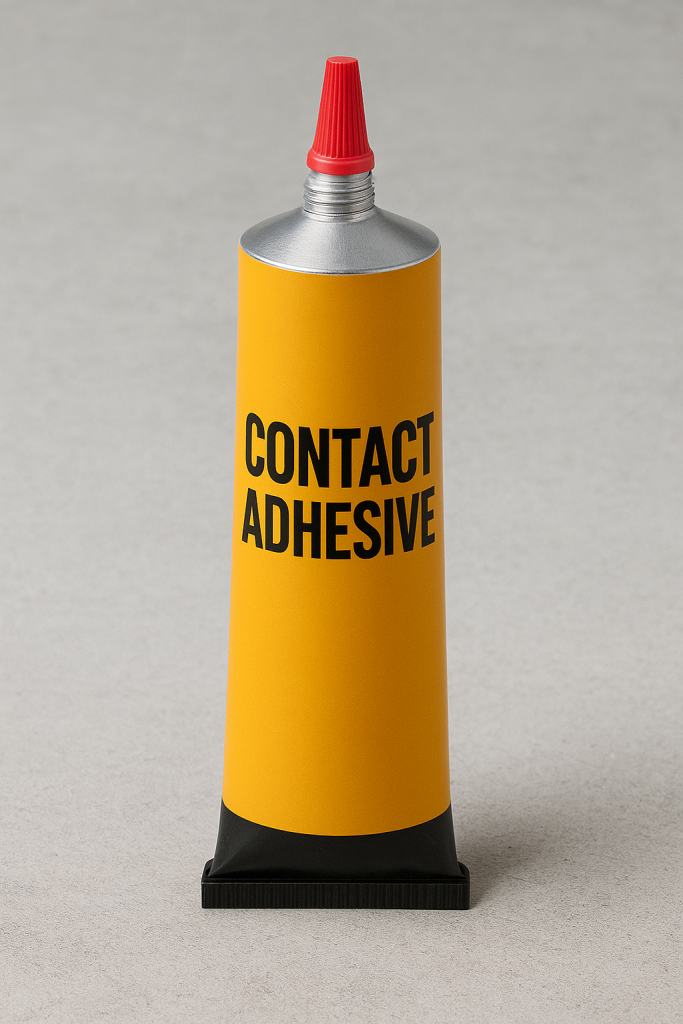
Best Practices for Application
Proper usage is essential to achieve maximum bonding strength. Consider the following tips:- Clean and dry all surfaces to remove dust, grease, or residue
- Apply an even layer of adhesive to both surfaces and allow it to become tacky
- Press the surfaces together firmly to avoid air pockets
- Use clamps or weights if needed to maintain consistent pressure
- Work in a ventilated area when using solvent-based adhesives
Everyday Uses of Contact Adhesive Glue
The versatility of this adhesive makes it a valuable tool across multiple applications. Furniture makers frequently use it to attach laminates to wood or MDF boards. Leatherworkers and shoemakers rely on it for seams and edges that need to remain strong yet flexible. DIY enthusiasts use it for household repairs, craft projects, and custom designs where precision and durability are crucial. Its ability to bond diverse materials efficiently makes it suitable for almost any project, from professional to personal use. DIY enthusiasts also find this adhesive indispensable for home repairs and craft projects. From fixing broken furniture and reinforcing cabinets to assembling decorative items or model projects, it allows precise alignment and quick bonding. Its compatibility with a variety of materials, such as plastics, rubber, wood, and metal, makes it highly adaptable, enabling hobbyists to tackle complex projects with confidence.Safety Considerations
While highly effective, this type of adhesive must be handled with care. Solvent-based varieties release fumes that can be harmful if inhaled, so proper ventilation is essential. Wearing protective gloves prevents skin contact, and the adhesive should be stored in cool, dry locations away from direct sunlight. Following the manufacturer’s instructions ensures both safety and reliable performance.Conclusion
Contacts adhesive glue provides fast, reliable, and flexible bonding, making it a popular choice for professionals and hobbyists alike. By selecting the right type, applying it properly, and following safety guidelines, users can achieve strong, long-lasting bonds across a variety of materials. This adhesive delivers consistent results, ensuring that projects remain secure and durable over timeLatest Blogs