

Introduction
Every strong piece of wooden furniture, every neatly finished cabinet, and every carefully crafted interior detail has something in common: a reliable bonding solution working silently behind the scenes. Wood glue may seem simple at first glance, but its role in woodworking and construction is far more important than most people realise. It holds together ideas, designs, and materials, transforming raw timber into functional and beautiful creations that last for years.
From professional carpenters to home DIY enthusiasts, people rely on dependable bonding solutions to ensure precision, durability, and safety. While nails and screws provide support, it is the adhesive bond that often gives wooden structures their true strength and seamless finish.
Why Strong Bonding Matters in Woodwork
Wood’s got a life of its own. It moves with the weather—swells up when it’s humid, shrinks back when it’s dry. You can’t hold it together with some rock-hard glue that doesn’t budge. It needs to flex, just enough to move with the wood, but still keep everything tight. If the bond gives out, you end up with cracks, gaps, or the whole thing comes apart. That’s a real problem, especially if you want your furniture to last.
A good glue keeps those joints snug, even when the wood’s shifting around. It lets the wood breathe and move, but nothing comes loose. That’s the sweet spot—strong enough to hold, flexible enough to give a little. Miss that balance, and you’re just asking for trouble, whether you’re building something tough or just trying to make it look good. But glue does more than just stick stuff together. It makes the whole piece look better. Ever notice those clean seams, those joints you can barely see, that smooth finish you want to run your hand over? That’s the glue at work—not a bunch of nails or screws poking through and messing up the look. People who care about their craft always want those invisible fixes, so the design stands out, not the hardware. Whether you’re building a new table, fixing a frame, or putting together a custom cabinet, the right adhesive lets you focus on the details that matter. And it’s not just for the experts. Glue’s everywhere—workshops, factories, home garages. Designers use it for panels and cabinets, manufacturers need it for making furniture by the truckload, and folks at home reach for it during repairs or DIY projects. You see it in:
- Furniture builds and repairs
- Cabinets and trim
- Flooring and wall panels
- Handmade décor and all sorts of DIY projects
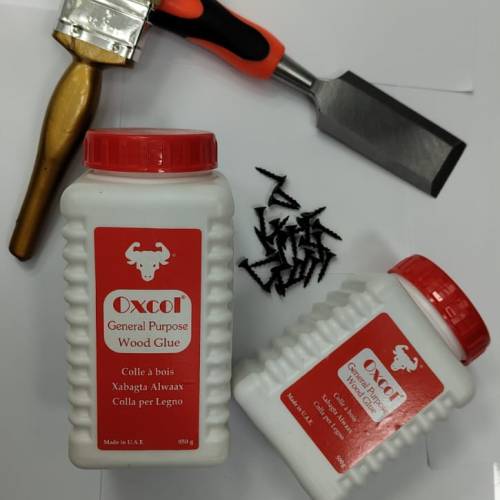
Look around, and you’ll see how much hinges on a solid bond.
But here’s the real test: time. Glue that holds today and falls apart next month? Useless. You want a bond that can take daily use, shifting weight, and whatever the weather throws at it. That’s what keeps your furniture sturdy, joints together, and wood in shape. Whether you’re a pro or just fixing things at home, you can’t beat that peace of mind. Another thing—adhesives are dead simple to use. You can keep things neat, aim for precision, and you don’t need a toolbox full of fancy gear. Makes it easy for anyone to get pro-looking results, even if they’re just starting. Once the glue sets, you’re done. No need to keep checking or fixing. It just does its job.
What really makes adhesives a game-changer is the freedom they give. You’re not stuck working around where a screw or nail will fit. Want to try a wild angle, a tricky joint, or a perfectly smooth surface? Go for it. You can push the design as far as you want, without losing strength. That opens up a world of creative options—sleek furniture, detailed woodwork, things you just can’t pull off with fasteners alone. And don’t forget the bigger picture. These days, the best adhesives are safer to handle and easier on the environment. Many are low-odour and designed to create less waste. Use them right, and your workspace stays cleaner, with less material tossed out. Plus, when your project lasts because the bond holds, you’re saving resources in the long run.
At the end of the day, adhesives are the quiet MVPs—always working, whether you’re in a busy shop or messing around in your garage. Pros trust them for their reliability and precision. DIYers love how easy they are. When the bond’s right, the results speak for themselves: tight joints, smooth finishes, and projects built to last.
Conclusion
In woodworking, strength often comes from what you cannot see. Wood glue plays a vital role in transforming individual pieces of timber into lasting creations that combine beauty, stability, and function. Its ability to support craftsmanship, encourage creativity, and deliver long-term reliability makes it an essential element in both professional and personal projects. When chosen and applied with care, it ensures that wooden structures remain solid, seamless, and dependable for years to come.

Add Comment